
Slovenia in Analog: Wild Peaks and Timeworn Streets

Pack a trusted film camera and step into a film photography guide to Slovenia’s wild landscapes and historic towns, where glacial valleys meet medieval arcades. Learn how to plan, meter, choose stocks, and compose patiently, so turquoise rivers, sunlit stone, and mountain weather become enduring negatives filled with tone, texture, and stories worth printing and sharing.

Plan the Journey for Slow, Intentional Shooting
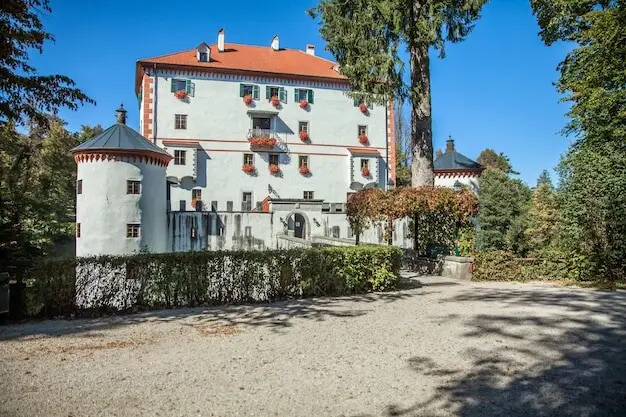
Slovenia rewards deliberate timing and unhurried craft. Dawn fog hangs over valleys, winds change by the hour in the Julian Alps, and stone lanes glow amber after rain. Build space for waiting, scouting, and returning, because film loves prepared light, predictable rhythm, and scenes that have earned your presence through thoughtful pacing and respectful awareness of place.

Seasons and light windows across Alps, valleys, and the Adriatic

Spring floods meadows in Logar Valley with flowers, while lingering snow brightens high passes around Triglav. Summer invites alpine storms and Adriatic haze, demanding flexible plans. Autumn paints vineyards near Brda and ridgelines gold, and winter’s low sun sculpts Ljubljana’s facades crisply. Memorize sunrise direction, track blue-hour lengths, and pair locations with seasonal character to meet the light halfway.

Getting there, moving around, and catching first light safely

Trains and buses link major towns, while rental cars unlock pre-dawn trailheads and remote overlooks. Arrive early, confirm parking, and allow extra descent time in mountain terrain. Carry layers, headlamp, and navigation for fog or sudden showers. Safety sets creative freedom: when your footing is sure and schedule generous, you can meter carefully, reframe patiently, and greet first light with calm intention.

Packing choices that favor patience, resilience, and creative flexibility
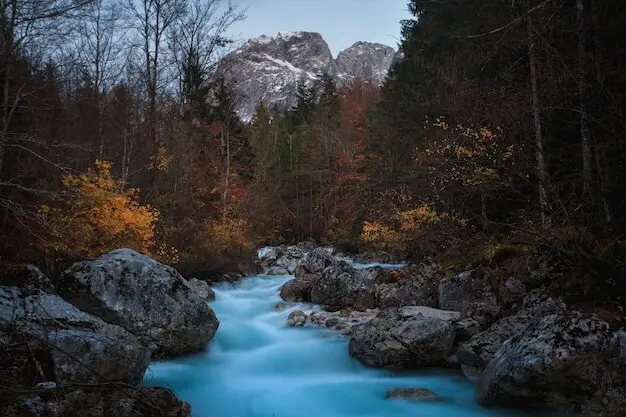
Limit your kit to save energy for ideas: one reliable body, two primes, a sturdy small tripod, and film balanced for varied light. Add a rain cover, microfiber cloth, sealable bags, and silica gel for damp valleys. Keep film in carry-on, unboxed in clear pouches for inspections. Travel light enough to revisit a composition, linger for clouds, and carry your images home safely.

Color negative for forgiving range and saturated memories
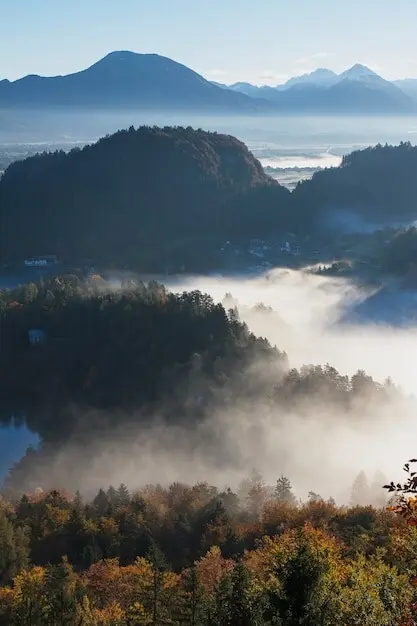
Portra 400, rated at 200 or 320, tames dappled forests and tricky backlight around Lake Bled’s island. Ektar 100 sharpens turquoise water and grassy ridges on clear days near Vršič Pass, though watch skin tones. Budget stocks like Gold 200 and Ultramax 400 love street color in Maribor’s markets. Overexpose slightly, lean on a polarizer sparingly, and let gentle contrast protect subtle alpine haze.

Monochrome for texture, clouds, and marble-bright snow
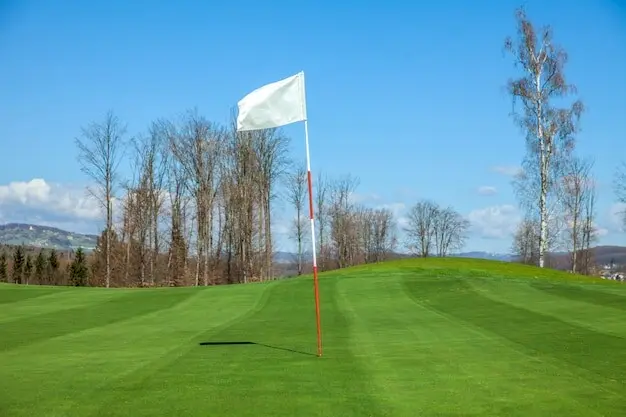
Ilford FP4 Plus renders stone bridges and church plaster with poised midtones, while HP5 Plus delivers flexible speed for shaded alleys in Piran. Delta 100 rewards tripod discipline along Bohinj’s shoreline with immaculate grain. Add a yellow or orange filter to deepen skies above Karst plateaus and separate clouds from peaks. Meter for shadows, let highlights bloom, and print for structure over spectacle.

Metering and Exposure Tactics from Peaks to Piazzas
From snowfields that fool meters to slate alleys that swallow contrast, exposure choices define the soul of your negatives. Learn to bias toward open shadows on color negative, temper specular highlights around water, respect reciprocity limits, and bracket carefully with slide. Your patience with a handheld meter will translate directly into printable density and the kind of tonal grace that outlives trends.

Compositions that Hold a Country’s Soul

Reflections, ferry wakes, and mountain diagonals at iconic waters

Lake Bled’s island begs symmetry, yet off-center horizons and anchored foreground stones create depth. At Bohinj, watch ripples taper after passing boats and release the shutter on stillness. In the Soča Valley, let river bends carve strong diagonals while distant ridges ladder upward. Step low for leading reeds, keep corners clean, and sacrifice a frame or two waiting for clouds to reveal peak contours.

Human scale, markets, and fleeting gestures in old towns

In Ptuj or Koper, a basket of cherries, a nod between neighbors, or a cyclist threading arcades can bind the scene. Pre-focus, anticipate crossings near doorways, and let background shapes support the gesture. Respect privacy, acknowledge presence with a smile, and favor interactions that welcome being seen. Film’s cadence slows you naturally; preserve that rhythm so chance feels earned rather than taken.

Patterns, rooftops, and church spires from high viewpoints

Climb castle paths or hilltop chapels to compress rooftops into terracotta quilts. Use a short telephoto to stack planes and isolate repeating chimneys, then reframe to include a steeple as a visual sentence ending. Watch for telegraph wires, antennas, and bright distractions. When haze rolls in, embrace it to separate layers, turning contrast into atmosphere and giving space for the eye to wander thoughtfully.

Tools You’ll Actually Use: Lenses, Filters, Tripods, and Care

A minimal, dependable kit makes room for timing, not tinkering. A wide and a normal lens handle most scenes; a short tele compresses ridgelines and rooftops. Filters serve intent rather than habit. A compact tripod and a cable release unlock dusk, waterfalls, and quiet interiors. Protect film from moisture, manage airport inspections, and label rolls so stories remain traceable long after returning home.

01

Wide, normal, and short telephoto choices that earn their weight

A 28mm frames tight alleys and expansive meadows without distortion when leveled. A 50mm captures honest perspective for portraits and markets. An 85–105mm flattens alpine layers and abstracts rooftops elegantly. Choose primes you know intimately over zooms you barely trust. Familiar focus throws, intuitive apertures, and muscle memory under pressure matter more than theoretical reach when the clouds finally part over Triglav.

02

Filters with purpose: polarizer discipline, ND control, and B&W contrast

Use a circular polarizer sparingly to tame glare on the Soča without erasing characterful reflections. Neutral-density filters enable controlled waterfall motion and twilight cityscapes. For monochrome, a yellow filter separates clouds, orange deepens skies and stone relief, and green brings foliage forward. Keep a microfiber cloth handy, avoid stacking unnecessarily, and remember every piece of glass trades a little light for intention.

03

Protecting film and cameras from moisture, dust, and travel stress

Weather shifts fast across valleys and coast. Stash a rain shell for your bag, resealable pouches for film, and silica gel to buffer humidity. Keep film in carry-on, request hand checks when possible, and avoid repeated scans from modern CT units. Label canisters by ISO and location. At day’s end, air-dry straps and cloths, then note frames and settings while memory still feels vivid.

Routes, Respect, and Sharing the Journey

Itineraries help you meet light with purpose, while mindful behavior preserves fragile places and neighborly trust. Thread together mountains, rivers, and the coast with realistic travel windows. Balance iconic stops with quiet corners, greet people with warmth, and leave only footprints. Finally, show your work, ask questions, and join others who love grain, patience, and the way Slovenia rewards careful eyes.
Kentodaxipiraravonari
Privacy Overview

This website uses cookies so that we can provide you with the best user experience possible. Cookie information is stored in your browser and performs functions such as recognising you when you return to our website and helping our team to understand which sections of the website you find most interesting and useful.